Mardi Himal Trek Overview
Do you want to trek Mardi Himal? Mardi Himal is a short and scenic 11-day adventure trek in the Annapurna region. This trek takes you through pristine forests, quiet villages, and alpine meadows to finally reach Mardi Himal Base Camp (4,500 meters). It is a moderate to difficult trek. You can trek with Destination Unlimited Treks during the spring (March, April, May) and autumn (October, November, December) seasons at an affordable cost with the best accommodation and knowledgeable local guides. The trek mainly starts from the foothills (Phedi) of the mountain, which is about 30 minutes away from Pokhara. Are you ready to go on this trek?
This Mardi Himal route is less crowded than other Annapurna routes. This trek is especially for the solitary trekkers who like to see the mountains and know the Himalayan culture. In this trek, you can not only see the mountains but also touch and embrace them. You will travel through village fields, steppe areas, grasslands, dense forests, riverbanks, forest ravines, stone steps, uphill paths, and downhill paths. You will have different geographical experiences in one journey. The journey is not only connected with nature, it is also connected with culture. Oh, the Himalayan culture. Here you can experience Gurung, Magar and Tibetan culture. Now, we will give you information about all aspects of this journey.
The journey to Mardi Himal is important in itself. This journey sometimes passes through dense forests of Rhododendron, Banj, Firfire (Maple), Unyu (Fern), etc. In season, the forest is covered with Rhododendron. You can also see wild mushrooms that you eat at home. You will cross many small streams and waterfalls. Also, the journey passes through Seti Khola and Modi Khola. On the journey to the forest, you can see some birds and some animals. In the morning, the forest can be musical with the sound of birds. When there is less crowd, you can see Baboons, Kalij, Langur Monkeys, Musk Deer and Jharal (Himalayan thar) . The journey inside the forest is also not the same. Sometimes you have to walk uphill, sometimes downhill. In the rainy season, there are blood-sucking worms. The weather keeps changing. To be honest, the journey will be adventurous and wild.
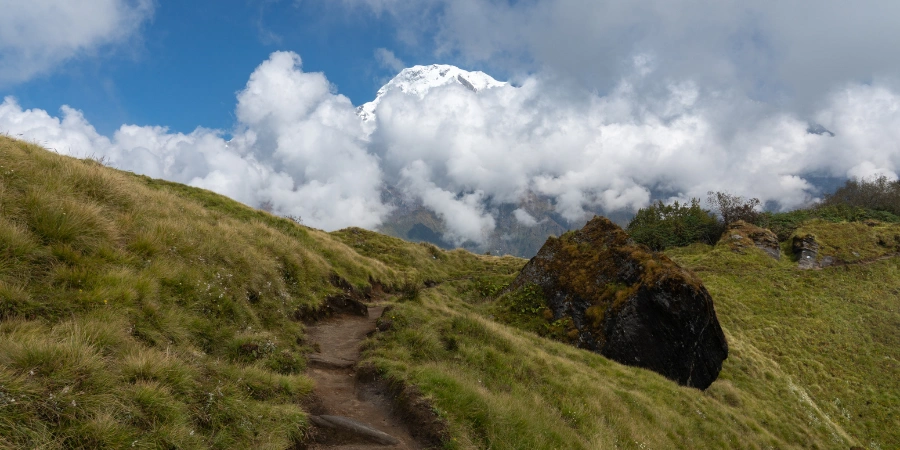
When you reach Deurali (2100), you will feel like you have reached a slightly higher place or a hill. It is a village. Did you know? From Deurali, you can see the first clear panoramic view of Annapurna South (7,219 meters) and Hiunchuli (6,441 meters). You may think to yourself, "This is the first time I am seeing the mountains with such pleasure." On a clear day, you can also see Dhaulagiri and Machhapuchhre to the northeast.
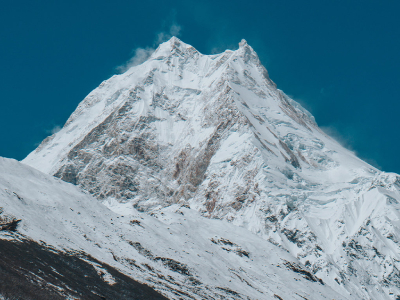
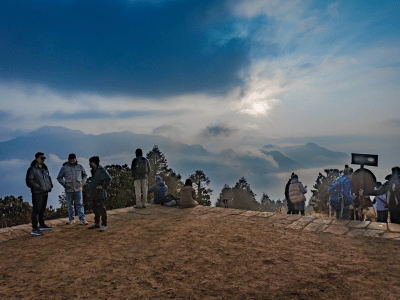
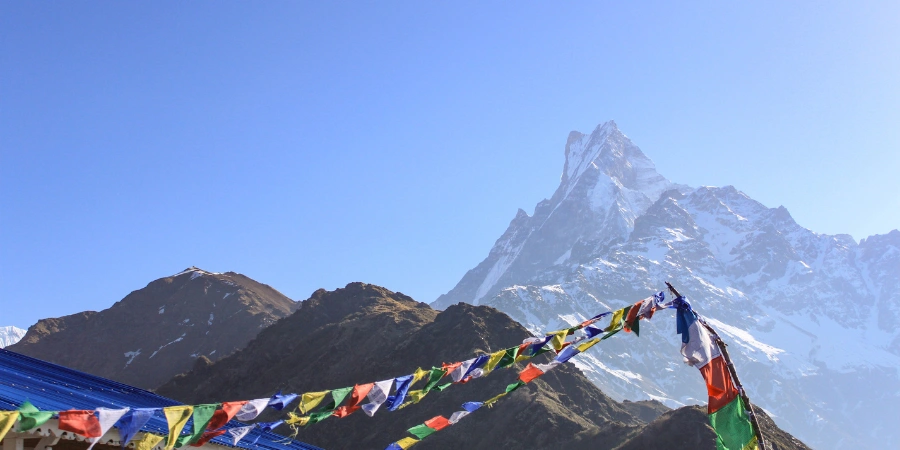
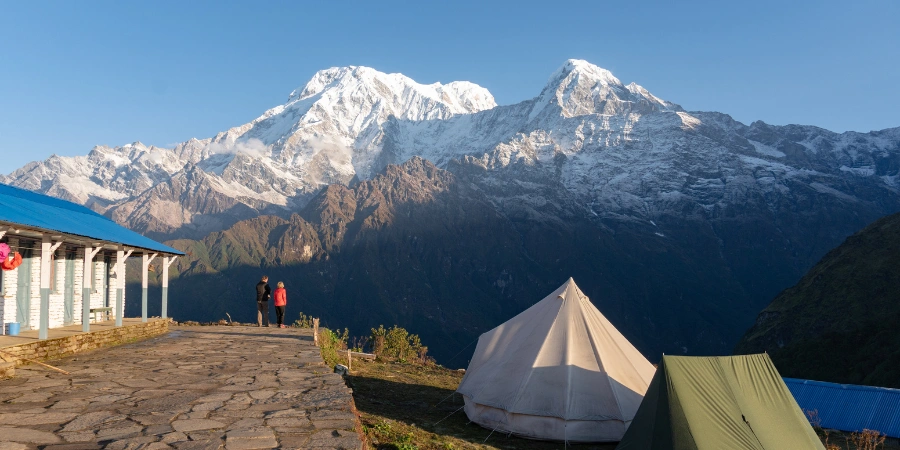
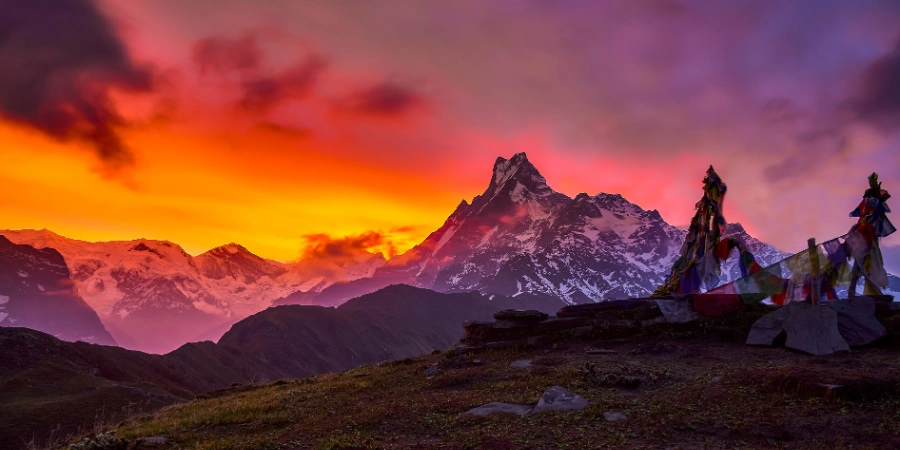
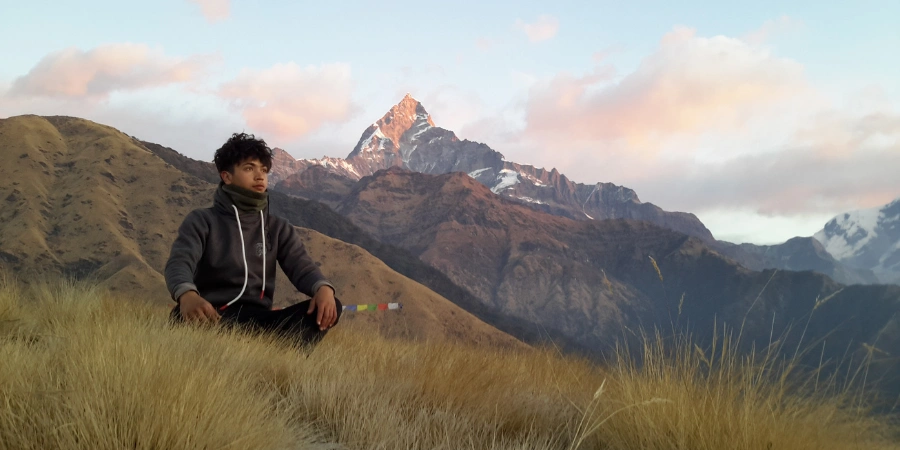
Do you know where you can see all the mountains clearly? It’s at High Camp—the best viewpoint on the trek. It is located on a slightly steep, dry hill. High Camp is the best place to see the mountains. From here, you can see four mountains: Machhapuchhre (Fish Tail), Mardi Himal (5,587 meters), Annapurna South and Hiunchuli. If the weather is clear, you can also see the main Annapurna and Gangapurna.
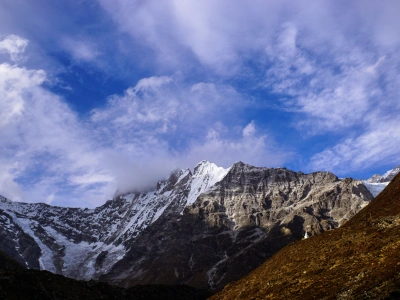
On the seventh day of the trek, you will reach the base camp of Mardi Himal. When you reach Mardi Himal, you will feel like looking around. The beautiful view of the mountains here will make you feel like this. Here you can see things in 360 degrees. When you stand at the Mardi Himal Base Camp, you will feel like you are standing right in front of Mardi Himal. What does a traveler experience when standing in front of the mountain? Do you want to know? Yes, for that, you will have to reach the Mardi Himal Base Camp! What can you see here in 360 degrees? You can see the Pokhara Valley, mountains, and terraced plains in the south. Annapurna and other snow-capped mountains in the north and the Lamjung Himal and the distant Manaslu range in the east. When you stand at the base camp, you will feel more silence, spirituality, and humility. You will be able to capture this experience through photos and videos on your camera.
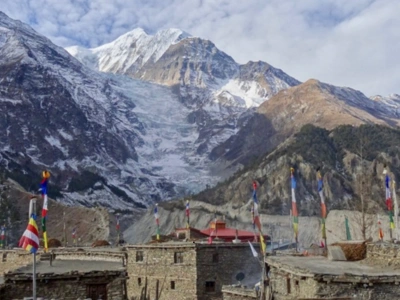
Mardi Himal is also important in terms of culture. You can see Gurungs as well as Tibetans in Sidhing, Deurali and Lumre. Many Gurungs, known for their bravery, have served in the British and Indian Gurkha regiments. Villages are often seen on the hills. The houses are made of stone, wood and thatched roofs. You will find chortens, prayer wheels and mani walls in the villages and on the roads. The Gurungs speak their own language, Tamu Ki. However, Nepali is the main language. You will also see communities following Tibetan Buddhism or Bon religion. They believe in Dhami-Jhankri and follow shamanism. In the lower regions, the cultures of Magar, Chhetri, and Brahmin can be seen. You can celebrate many Nepali festivals like Dashain, Tihar, Maghe Sankranti, and Losar. For this, you have to trek during the festival season.
It is a journey of 11 days. During this trek, we will stay in small hotels in the Himalayan region called teahouses. These teahouses are opened by locals. Most teahouses are made of wood, stone, and tin roofs. The courtyards are also covered with stones. There is a traditional stove for cooking. You will easily be able to eat Nepali food—dal, rice, and vegetables. You can eat as much as you like. You can also taste dhido (millet porridge), local chicken meat, and tinapane millet alcohol (local liquor). Momos, chowmein, and thukpa are also easily available. Eating Himalayan food like this while sitting next to a wood fire can be a new experience for you. Sometimes, there may be locals who tell you stories. It is the Himalayas, and it is remote. You will have a room to sleep in and a bed. That will be your comfort while sleeping.
Do you want to trek with us? speak to our expert team; we will guide you!
Mardi Himal Trek Highlights
The Mardi Himal Trek is an adventurous Himalayan trek that offers an opportunity to experience natural scenery, Himalayan culture, teahouse stays, etc. This 11-day trek will be special in the Annapurna region. Some of the main points are mentioned below.
- View of the Himalayan scenery
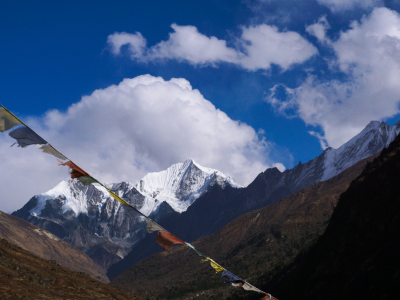
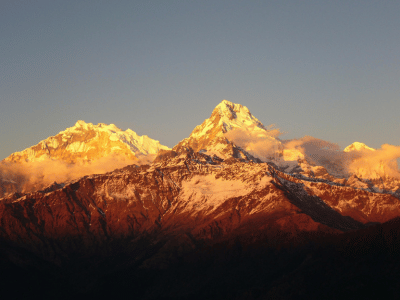
You can see Annapurna South, Hiunchuli, Machhapuchhre, Lamjung Himal, Manaslu Himal, etc. from the High Camp and the Base Camp of Mardi Himal. These views are visible to some eyes, while some are a little far away. Most photographers like to take pictures at the High Camp. The best Himalayan views can be captured on camera during sunrise and sunset. - Diversity of natural landforms and experiences
This trek is full of natural diversity. You will travel through forests covered with Rhododendron, Banj, Firfire (Maple), Unyu (Fern), etc. The forest itself changes colors in spring. Rhododendrons make the forest very colorful. The journey progresses through stone steps, forest ravines, pastures, and steep slopes. You can see wildlife in the forest, such as the Himalayan Monal (Danfe), Langur monkey, Musk deer, Black partridge, etc., depending on the time and season. The trails pass through special rivers like Seti Khola and Modi Khola. You will cross small streams and waterfalls. Overall, you will truly experience the natural diversity while traveling. - A sense of solitude and spirituality
This trek is less crowded than other treks. Other treks of Annapurna, like the Annapurna Base Camp Trek, Poon Hill Trek, Mustang Trek, etc., are a bit crowded. This trip will be special for all those who love nature and like to travel in nature and love peace. After reaching Mardi Himal, a kind of spirituality can come to you. The atmosphere of Mardi Himal, the power of the mountain, and the open bright sky can give many a spiritual feeling. - Cultural Experience
The Mardi Himal Trek is important culturally. You may meet Gurung and Magar communities in villages like Deurali, Sidhing and Lumre. You will get to understand the Himalayan lifestyle of these communities. Generally these villages are located on the hills. The houses are made of stone, wood, and thatched roofs. Around the villages you can see prayer flags, chortens, and mani walls. Festivals like Losar, Dashain, and Tihar are especially celebrated. - Himalayan Food and Teahouse Hospitality
You will stay in small Himalayan hotels called teahouses during your trek. These teahouses are made of stone, wood, and tin roofs. They provide one room and a few beds. On the ground floor, there is a small dining room at one end. Food is cooked on a wood fire. LPG gas is also used in some places. You can eat Dhido (Millet porridge), Local chicken meat, Local pickles, and Local raksi (local liquor). Especially Dal Bhat Tarkari (lentil soup, rice, and vegetables) is easily available everywhere. Sometimes you can experience the joy of sharing stories around a traditional wood-burning stove surrounded by locals and fellow trekkers. - Off-the-beaten-path adventure in Annapurna
This journey is also adventurous in itself. Traveling off the beaten path can be a new experience for you. You can see fewer crowds on this path. The surrounding environment can be seen as peaceful. Those who are interested in traveling with more solitude and intimacy with nature and culture.
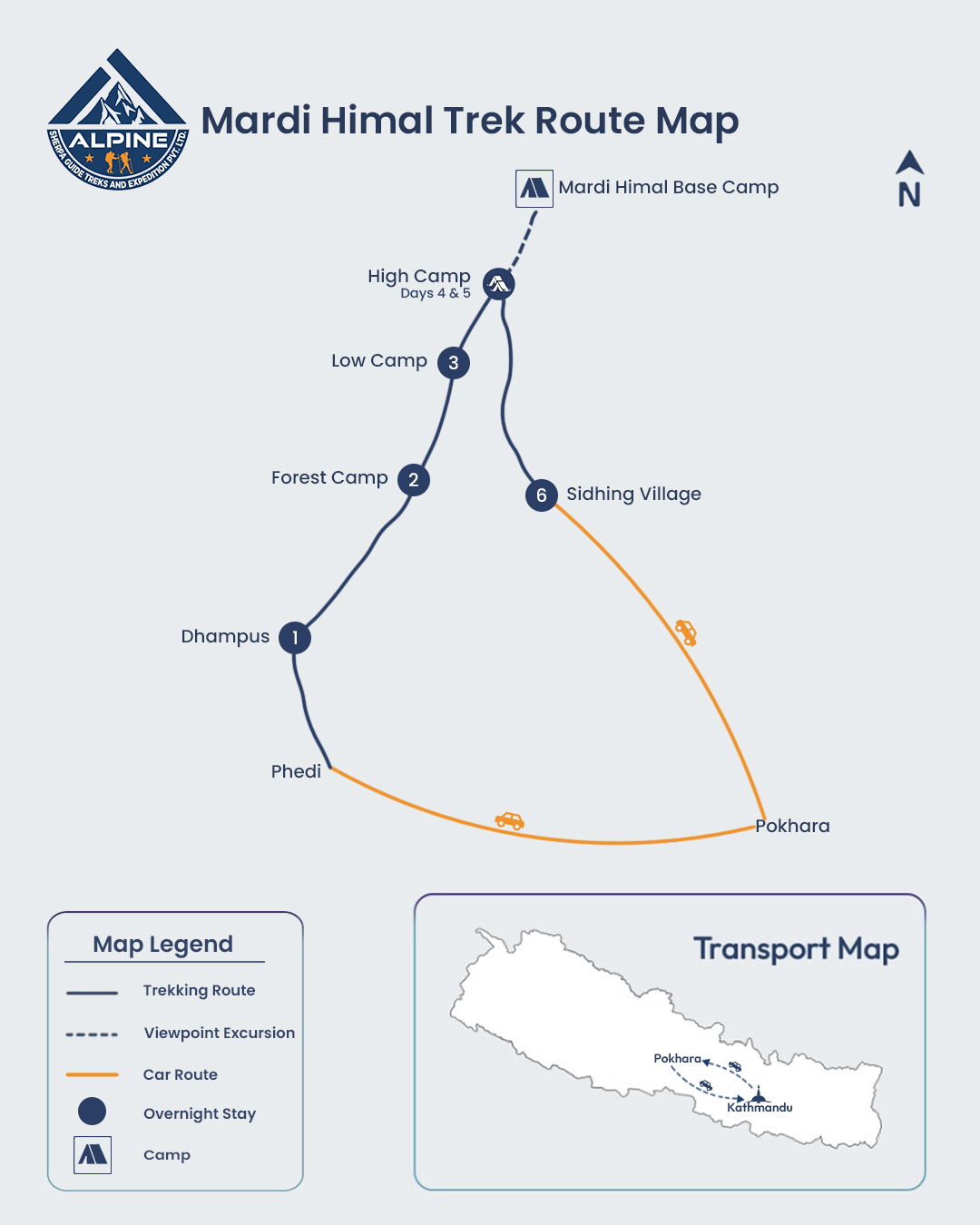
Route Overview of the Mardi Himal Trek Overview
The journey starts from Kathmandu. We will pick you up at the airport. Depending on the time, you can explore the streets and some parts of Thamel. In the evening, we will discuss our trekking for the next day. The guide will give you all the information. Tonight we will stay at the hotel in Kathmandu Thamel.
Today we will travel to Pokhara by road. We will travel to Pokhara in the morning by tourist bus. The journey will reach the beautiful city of Pokhara via Muglin. We will spend one night in Pokhara. The next morning we will travel by road to Phedi. The main journey of our trekking starts from Phedi. The first trek itself will be slightly uphill. You may be very excited about the journey. The guide will be giving you a lot of information. The trek will start in a few moments and enter the Gurung settlement. Thus, we will reach Dhampus after some time. From here, the first glimpse of Annapurna begins to be seen. The trail continues further, passing through dense forests of rhododendrons to reach Deurali.
The journey from Deurali to Forest Camp is a little quieter. From Deurali, the road to the Annapurna region and Mardi Himal separates. This road is less crowded. You move forward through dense forests of Rhododendrons, Banj (oak), and Unyu (fern). The atmosphere here is cool. The sounds of birds start echoing. After some time, we reach Forest Camp, where we stay for one night.
The next journey is also very quiet in nature. This trek is from Forest Camp to Low Camp. It is a little uphill. The journey starts from dense forests and gradually moves towards a place with less vegetation. You can feel that the forest is getting thinner with height. When you reach Low Camp, Annapurna and Machhapuchhre start to appear a little closer. The journey from Low Camp to High Camp is even more different. It is a little steep, and a small narrow path climbs through the mountains. To be honest, the path looks steep on both sides. You can see high Himalayan grasslands and some rocky mountains. From here, Annapurna, Hiunchuli, and Machhapuchhre are very close. High Camp can be considered the main center of this trek to see the view. We will stay here for one night. There are a few teahouses here.
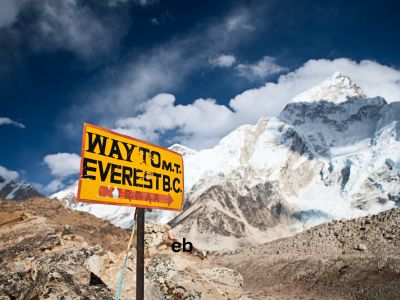
The next day we reach our main destination, Mardi Himal Base Camp. Everyone is very happy when we reach there. The weather is cold. The mountains look like they are smiling. The sparkling mountains make the atmosphere cheerful. You can see Annapurna I, Annapurna South, Hiunchuli, Machhapuchhre, and Mardi itself right in front of your eyes. Here you can take photos. You can also make some reels for Instagram. After staying at the base camp for some time, we will go down to the high camp and spend another night there.
The next day we will go to Sidhing. This is a Himalayan Gurung settlement. Do you know that we are returning via a different route? This Gurung settlement is beautiful in itself. You can taste the Himalayan cuisine. We will stay here for the first and last night on our return. The next day we will travel to Lumre and return to Pokhara by road. Finally, we depart from Pokhara to Kathmandu by bus or air.
Mardi Himal Trek Overview —What to Expect
This trek is not very crowded and is peaceful in itself. The trek goes through forests, rivers, and streams. You will reach a huge snow-covered place in a few days by going up and down the path. This is the Mardi Himal Base Camp. Anyone can feel that this trek is amazing in itself.
The trek is moderately difficult. Some parts are a bit steep, but you can walk slowly. You don't have to be very fit to trek, but if you have a habit of walking, it can be beneficial for you. We stay at a local teahouse. We eat Himalayan food. There are no great services there, but it is still warm and enjoyable. The best time to do this trek is spring or autumn. During this time, the weather is clear. It is not too cold or rainy. In the higher terrain, it can be a bit cold in the morning and evening. Warm clothes may be needed.
Our journey mainly starts from Pokhara. And for the last time, we stay in Pokhara. It's a fun, relaxing city with a big lake and lots of places to eat. If you like nature, mountains, and walking in quiet places, this trek is perfect. It's not too long, not too difficult, and the views are amazing.
Mardi Himal Trek Cost—Full Breakdown
So, you want to know how much cash you’ll actually need for the Mardi Himal Trek? Let’s not sugarcoat it—it’s honestly one of the best deals out there if you’re looking to hike in Nepal. Seriously, it won’t wreck your bank account unless you go wild with the luxury options. Most folks end up dropping anywhere from $550 to $850, give or take, depending on whether you’re roughing it in basic teahouses with dal bhat or splurging on hot showers and fancy snacks.
You’ve got the usual suspects: guides, permits (yeah, Nepal loves its permits), food, transport, random gear—maybe even that emergency Snickers bar or a yak cheese pizza if you’re feeling bold. We’ve sliced and diced the costs so you won’t get ambushed by surprise fees halfway up the mountain. If you’re mapping out your Mardi Himal adventure, this’ll give you the real scoop.
Difficulty and Physical Fitness Required
You don't need to be a very fit or experienced hiker to trek Mardi Himal. But your active lifestyle can help a little. You will have to travel uphill and downhill. Some of the treks are steep. The journey to the high camp or viewpoint is a bit difficult. You will have to travel for 4 to 6 hours on different terrain. You may feel a little tired. Do not rush while traveling. We will travel while resting. Oh, and do not forget to drink water from time to time.
This journey may be a little easier for those who have traveled before or have experience. We request you to do some preparation before traveling. You can do some walking, running or light exercise as training a few months before traveling.
Don't worry about the journey at all. Traveling is not just about walking; it is also about seeing the scenery, enjoying the local culture, taking photos and enjoying yourself. Get ready; we will take care of getting you safely to Mardi Himal.
Permits Required for the Mardi Himal Trek
To trek the Mardi Himal trail in the Annapurna region, you’re required to carry two key permits: the Annapurna Conservation Area Permit (ACAP) and the Trekkers’ Information Management System (TIMS) card. ACAP grants legal access to the protected conservation area, while TIMS helps authorities track trekkers for safety reasons. These permits are typically obtained in Kathmandu or Pokhara, and Destination Unlimited Treks will handle them for you. It's worth noting that while enforcement at checkpoints is inconsistent, carrying both is advised—especially since trekking without a guide is no longer officially allowed in many regions.
Mardi Himal Trek vs. Other Short Treks in Annapurna
If you're trying to pick between short treks in the Annapurna region, let me just say this—Mardi Himal feels like the one everyone should be doing, but barely anyone talks about.
Compared to Poon Hill or Royal Trek, Mardi is way quieter. No traffic jam of trekkers. No waiting in line for sunrise spots. Just peace, pine forests, and that moment when Fishtail (Machhapuchhre) shows up out of the clouds—chills.
Sure, it’s a bit steeper and higher than other “easy” treks. But honestly? Totally doable if you’re moderately fit. Plus, fewer teahouses mean you’re not tempted to stop every 10 minutes for chai and momos (though those are always welcome).
If you want a classic Annapurna vibe but without the classic crowd, Mardi is your trail. If you're just starting out or have limited time, Poon Hill or Dhampus are great. But for something that feels more off-grid and personal, Mardi Himal is the one.
What is the best season to trek the Mardi Himal Trek ?
When’s the best time to do the Mardi Himal Trek? Honestly, spring (March to May) and autumn (September to November) are your best bets. The weather’s clear, the mountain views are sharp, and it’s not too hot or cold on the trail. Perfect for walking and soaking in those epic landscapes.
If you’re thinking about trekking Mardi Himal, knowing the best season helps you get the most out of your adventure. Here’s a quick seasonal guide:
- Spring (March to May)
This is a lovely time to be on the trail. The forests burst with bright Rhododendron flowers, the weather feels just right—not too hot, not too cold—and the skies are mostly clear, giving you fantastic mountain views. It’s also not too crowded, so you get a nice balance of company and calm. - Summer/Monsoon (June to August)
Monsoon season means plenty of rain, which makes the paths muddy and slippery. You’ll often find the mountains hiding behind clouds, and there’s a chance of landslides or leeches along the way. It’s quieter on the trail, but trekking can be tough, so only go if you’re prepared for wet weather. - Autumn (September to November)
This is the most popular season, and for good reason! The air is fresh and crisp, the weather is stable, and the skies are clear almost every day. The views of Annapurna and Machapuchare are incredible. Since it’s peak season, expect a bit more crowds, but the energy on the trail is great. - Winter (December to February)
Winters can be chilly, especially up high where snow might dust the trail. Some teahouses may close or offer limited services. If you don’t mind the cold and quieter trails, it’s peaceful and beautiful in its own way, but come prepared with warm gear.
Trip Essentials And Trip Information
Alright, if you’re planning to hike Mardi Himal, there are a few basic things you should have sorted before hitting the trail. Nothing too crazy, but good to know in advance.
- Visa for Nepal
Unless you’re from India, you’ll need a tourist visa. Most people just grab it when they land at the airport in Kathmandu. Super easy. Just make sure your passport is still valid for at least 6 months. A 15-day visa costs around $30 USD and 30 days is $50. - Money & Exchange
Nepal uses the Nepali Rupee (NPR). You’ll need cash for small stuff like snacks, hot showers, and tips on the trail. You can exchange USD, EUR, or other major currencies easily in Kathmandu or Pokhara. Right now, $1 USD gets you around 135 NPR. Cards don’t always work in the mountains, so carry enough cash before the trek starts. - Travel Insurance
Get it. Really. Make sure your insurance covers high-altitude trekking and helicopter rescue just in case. Most good plans will do this. It's not that expensive and gives peace of mind if anything goes sideways.
How To Book This Trek?
Booking the Mardi Himal Trek? Super easy. No stress.
Just leave us a quick message, or go ahead and book online through our secure system. We accept Visa and MasterCard. Not into using cards? No worries—we also take bank transfers. Just let us know, and we’ll send over the details.
To confirm your spot, we ask for a 20% deposit. You can pay the rest when you arrive in Nepal—either by cash or card, whichever works best for you. As soon as your deposit hits, we’ll send you a confirmation email with everything you need: the full itinerary, permit info, gear checklist, and more.
It’s smart to book early, especially in peak seasons like spring and autumn. That way, we’ve got enough time to arrange your permits, sort out your hotel, reserve a guide, and handle transport. Basically—we take care of everything so you can just enjoy the ride.
Got questions? Not sure about something? Just reach out anytime. Destination Unlimited Treks is always here to help you get ready for the adventure. Let’s make it happen!
More Treks to Explore Near Mardi Himal Trek
Mardi Himal Trek – 5 Days
A short but beautiful trek in the Annapurna region. Walk through forests and traditional villages while enjoying amazing mountain views. Ideal for beginners and experienced trekkers looking for a quick Himalayan adventure.
Annapurna Base Camp Short Trek – 10 Days
A 10-day trek from Kathmandu to Annapurna Base Camp (4,130 m) and back. Enjoy stunning close-up views of Annapurna South, Machhapuchhre, Gangapurna, Hiunchuli, Annapurna II, and III. Along the way, experience the warm hospitality, culture, and traditions of Gurung, Magar, and Lama communities.
Jomsom Muktinath Trek – 11 Days
An 11-day trek through varied landscapes—from green rhododendron forests to the dry Mustang valleys. Explore local villages, visit ancient temples, and reach the sacred Muktinath Temple while soaking in breathtaking Himalayan views.