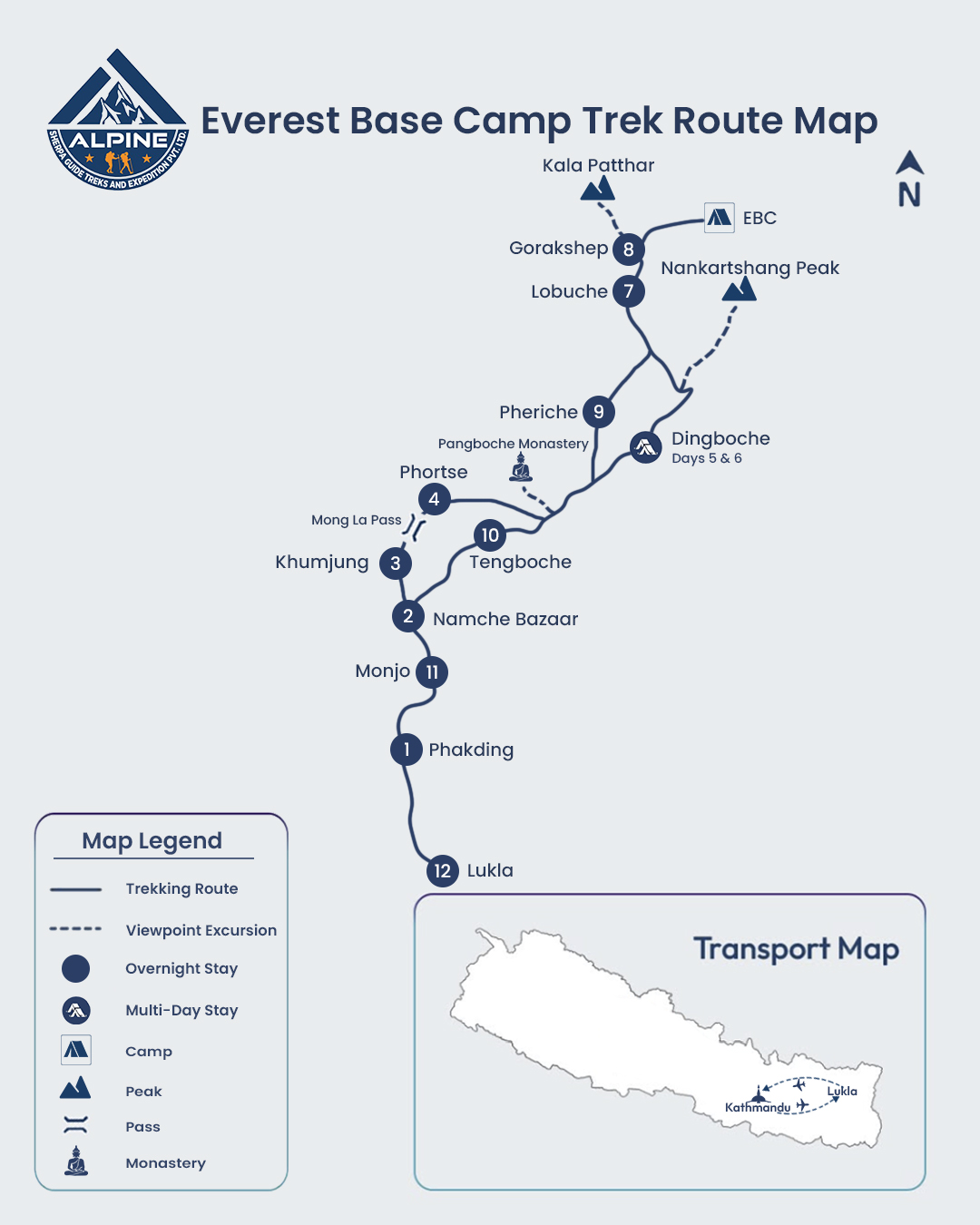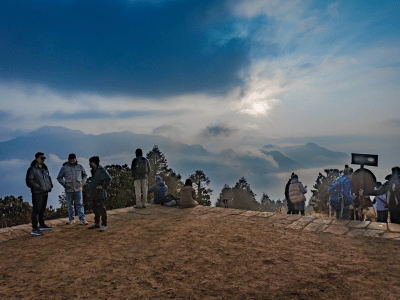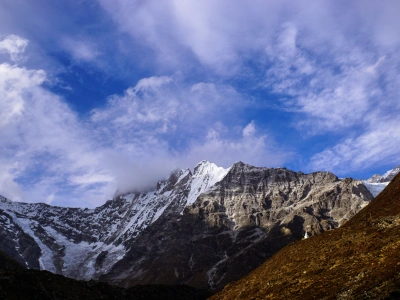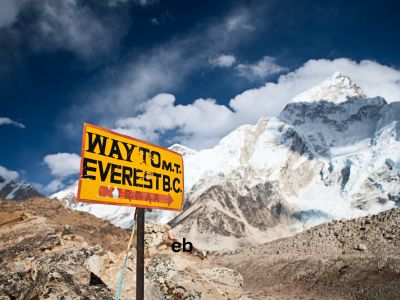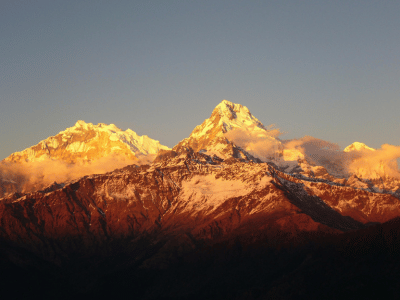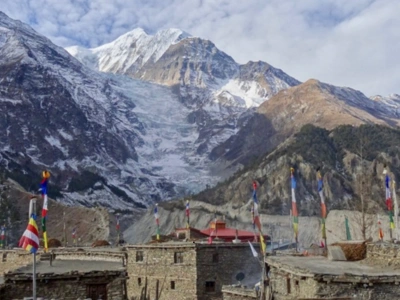
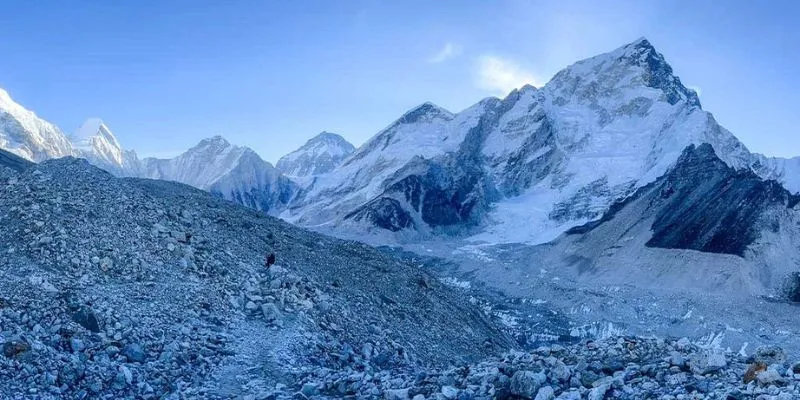
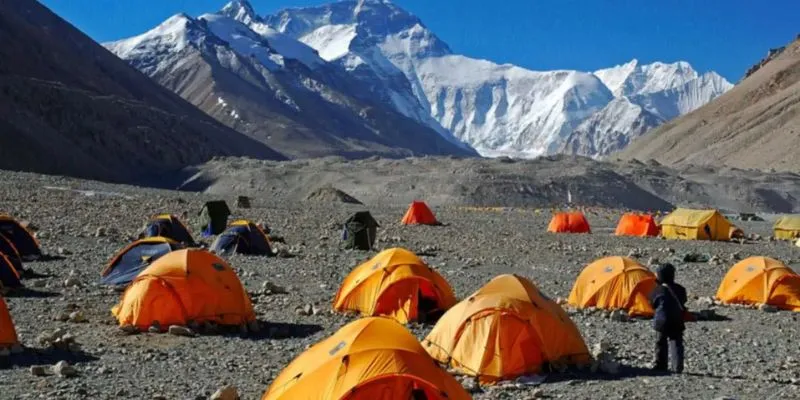
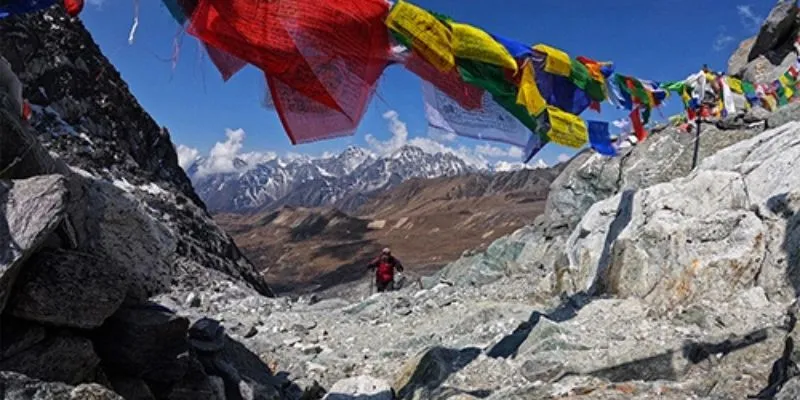
Let’s be honest—the Everest Base Camp trek with Destination Unlimited Treks & Expectations isn’t just a checkbox on some bucket list. It’s the kind of trip that sneaks into your soul and sticks around, like the smell of woodsmoke in your jacket or that one blister you’ll laugh about later. It all starts with that wild little plane ride to Lukla—where you white-knuckle the armrest as the pilot threads between mountains, then cheers erupt when the wheels (miraculously) touch down on that postage-stamp runway. And just like that, you’re off, boots crunching on trails that weave through Sagarmatha National Park like a love letter to the Himalayas. You’ll cross bridges that sway over rivers gnashing with glacial melt, prayer flags snapping overhead like they’re cheering you on, and suddenly it hits you: I’m walking to Everest.
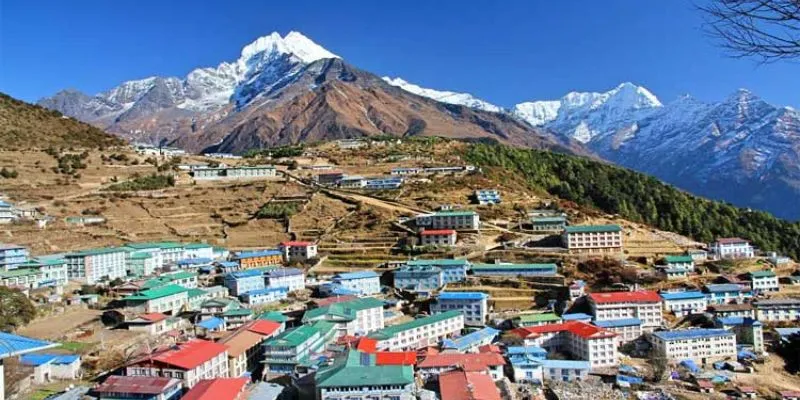
Namche Bazaar is where the adventure really sinks in—this chaotic, glorious Sherpa town where yak trains jostle past gear shops, and the air smells like juniper smoke and fresh momos. You’ll gulp down sugary milk tea at a sunlit café, eavesdropping on climbers swapping stories in a dozen languages, and think, This is what travel should feel like. Higher up, the world gets quieter. Rhododendron forests fade into moonscapes of rock, and the Sherpa teahouse owners—faces lined by sun and wind—will wave you inside with a chuckle when they see your frosty eyebrows. At Tengboche Monastery, dawn comes with chanting monks and the low growl of horns, the kind of moment that makes you forget to breathe.
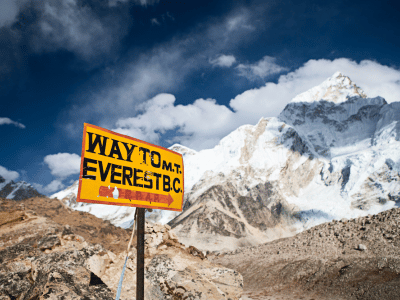
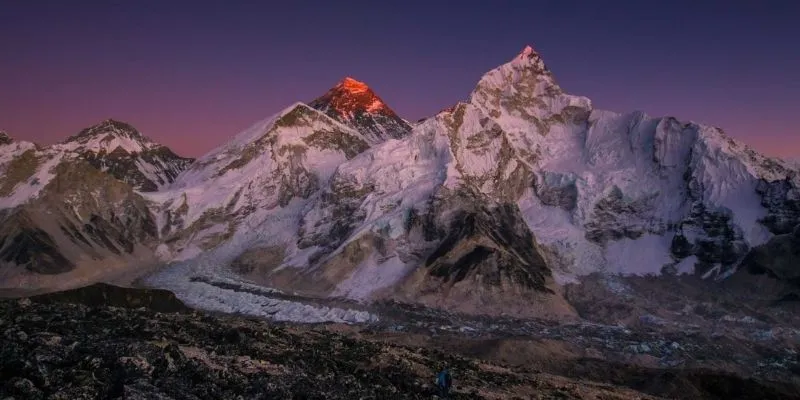
Then there’s the climb—Kala Patthar in the pitch-dark, your headlamp bobbing as you curse yourself for signing up… until the sun cracks the horizon and bam—there’s Everest, close enough to count the snow plumes off its summit. You’ll sit there, shivering and grinning like an idiot, while your guide—some legend who’s done this 200 times—pulls a thermos of hot lemon ginger from his pack like it’s magic. That’s the thing about Destination Unlimited: they get it. Their guides know which teahouses bake the best apple pie, which trails hide blue sheep sightings, and exactly when to hand you a Snickers bar like it’s a lifeline. By base camp, you’re high on thin air and disbelief, tracing the Khumbu Icefall’s crevasses with your eyes while your teammates snap goofy photos with flags.
But here’s the secret no brochure mentions: the best parts happen between the big views. It’s the way your porter hums old Nepali songs to pass the time, the old Sherpa woman who presses a dried apricot into your palm like you’re her grandkid, the night you all crowd around a dung-fired stove arguing over card games while the temperature plummets outside. When you finally stumble back to Lukla—legs wobbly, phone bursting with photos—you’ll realize the mountains weren’t the only thing that grew on you. That’s the magic of traveling with folks who treat the Khumbu like home: they don’t just show you Everest; they make sure you feel it in your bones. And trust me, you will.
Why Choose the Everest Base Camp Trek?
- Unparalleled Mountain Views: Witness the tallest peaks in the world, including Mount Everest, Lhotse, and Ama Dablam.
- Cultural Immersion: Experience the unique Sherpa culture and traditions.
- Adventure and Achievement: Embark on a challenging trek that offers immense personal satisfaction.
- Natural Beauty: Explore the pristine landscapes of the Himalayas, from forests to glaciers.
- Spiritual Serenity: Visit monasteries and sacred sites that offer peace and inspiration.
Best Time for the Everest Base Camp Trek
The best seasons for this trek are:
Spring (March to May): Enjoy clear skies, moderate temperatures, and blooming rhododendrons.
Autumn (September to November): Experience crisp air and excellent visibility with mild temperatures.
We should avoid for this :
Winter (December to February) offers fewer crowds and snow-covered trails but colder temperatures.
The monsoon season (June to August) is less favorable due to rain and cloud cover.
Preparation For this Trek
1.Physical Preparation – Train Your Body
- Start walking at least 1 hour daily to build stamina—your legs will thank you later!
- Try short hikes (4-6 hours) with a small backpack a few months before to simulate trekking conditions.
- Include stairs, uphill walks, and light cardio to strengthen your legs and lungs.
- Remember, the Himalayas demand endurance—train well, trek happily!
- 2.Mental Preparation – Stay Strong, Stay Positive
- High altitudes and remote trails can be challenging—mental resilience is just as important as physical strength.
- Prepare for unpredictable weather, basic teahouse stays, and occasional discomfort—it’s all part of the adventure!
- Stay patient with your body as it adjusts to altitude—slow and steady wins the race.
- 3.Packing Right – Gear Up for the Mountains
Layer Up! The Himalayas can be freezing at night and warm by day. Pack: - Moisture-wicking base layers
- Insulated jacket & down gear for cold nights
- Waterproof trekking pants & sturdy hiking boots
- Warm gloves, woolen socks, and a good beanie
- Backpack Essentials (16 Days Worth!)
- A comfortable 40-50L backpack with rain cover
- Personal gear: Sunglasses (UV-protected), sunscreen, reusable water bottle, headlamp, and camera to capture the magic!
- Basic toiletries & wet wipes (hot showers are rare!)
- 4.First Aid & Safety
- Carry a small first aid kit (bandages, pain relievers, blister care)
- Altitude sickness tablets (Diamox)—consult your doctor before the trek
- Hand sanitizer & water purification tablets
- 5.Documents & Permits – Don’t Forget the Paperwork!
- Valid passport & copies
- TIMS card & Sagarmatha National Park permit (we’ll help arrange these)
- Travel insurance (must cover high-altitude trekking up to 6,000m)
- 6.Final Tips from Pokhara Flights Center Tour & Travels
✔ Break in your trekking shoes before the trip—blisters are no fun!
✔ Stay hydrated & eat well—energy is your best friend on the trail.
✔ Listen to your guide—they know the mountains better than anyone.
✔ Pack light but smart—you’ll carry your own daypack.