Ghorepani Poon Hill Trek 10-Day Overview
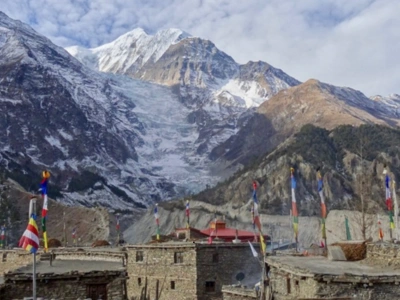
Are you looking for a short and scenic trek in the Annapurna region of Nepal? The Ghorepani Poon Hill Trek is a 10-day trek that begins in Kathmandu and takes you through traditional Gurung and Magar villages and lush rhododendron forests and reaches Poon Hill (3,210 m), a magical sunrise spot. It is a moderately difficult trek, ideal for beginners, families, and those with limited time. This trek is one of the most popular short treks in Nepal, offering the opportunity to witness some of the highest peaks in the world, including Annapurna South (7,219 m), Dhaulagiri (8,167 m), Machhapuchhre (6,993 m), and Hiunchuli.
Ghorepani and Poon Hill lie in the Annapurna Conservation Area (ACA), located in the Myagdi District of Gandaki Province, western Nepal.
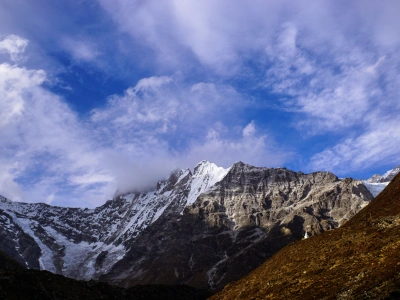
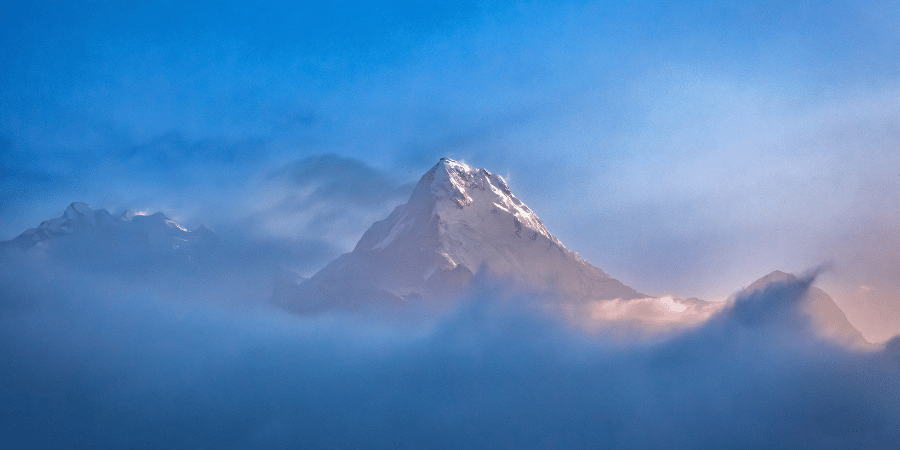
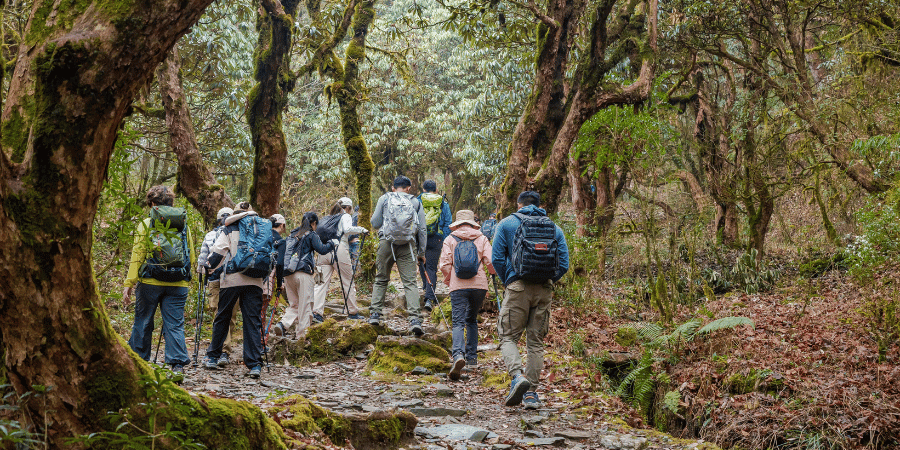
Do you want to see the world’s tenth-highest mountain with your own eyes, feel the Himalayan cold, and create lifelong memories? The trek takes you through uphill trails sometimes and downhill trails at other times. You pass through dense rhododendron forests, taking long breaths of pure Himalayan air and listening to the songs of birds (their chirps). The region you are trekking through is part of the lower Annapurna Range in the Dhaulagiri Zone, which not only makes you an adventurer but also an orologist (mountain researcher). On the other hand, you become a nature poet, seeing Dhaulagiri I (8,167 m)—the seventh-highest mountain in the world, Annapurna South (7,219 m), Hiunchuli (6,441 m), Machapuchare (6,993 m)—the sacred Fishtail peak, the Nilgiri range, and Tukuche Peak (6,920 m).
This trek is also rich in wildlife observation. You can see Himalayan langurs (bandar in Nepali), often in oak trees or near villages like Tadapani and Ulleri. You can also witness beautiful barking deer (Ratuwa Mirga) and Himalayan musk deer (Kasturi Mirga) near Tadapani or above Ulleri in the rhododendron forest. They are occasionally spotted early in the morning or in quiet, forested sections. It is common to see the yellow-throated marten (malsapro) in the early morning along the trail. Himalayan black bears and common leopards (Panthera pardus) are also present, but you rarely encounter them, as they live in dense forests some distance away from the main trekking trail. You will frequently see woodpeckers, treepies, laughingthrushes, and tits in oak forests and rhododendron forests. The Himalayan monal (Danphe), mountain hawk-eagle, Himalayan griffon, spotted nutcracker, blue whistling thrush, and birds like the rufous sibia can be spotted along the trail during this short Poon Hill Trek.
Who knows? This trek offers a chance to immerse yourself in the traditional culture of the native Magar communities around Ulleri, Banthanti, and Ghorepani, and the Gurung communities around Tadapani and Ghandruk. The Magar people are known for their hospitality, singing, and dancing during festivals like Maghe Sankranti and Tihar. They are rich in oral storytelling and shamanic practices and are also known for their service in the Gurkha regiments.
If you think that understanding local culture is important, then the Gurung culture and their celebrations will make you feel something different. They are traditionally Buddhist, with strong ties to nature and ancestor worship. You can enjoy their special Himalayan dishes, celebrate Losar (Tibetan New Year), and drink chyang (local barley beer) with them.
We invite you to take this trip with Destination Unlimited Trek to enjoy mountain hiking, cultural immersion, wildlife sightings, and, yes, rhododendron and oak forests in the Himalayas.
Highlights of the Ghorepani Poon Hill Trek?
1. Breathtaking Sunrise from Poon Hill (3,210 m)
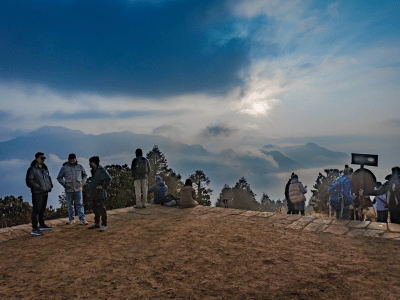
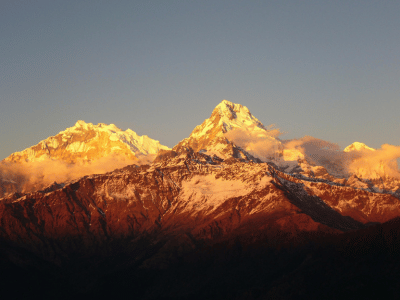
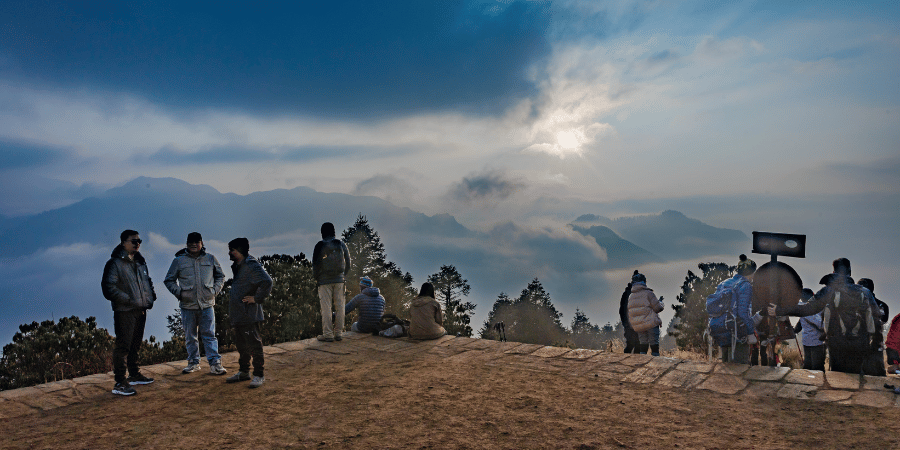
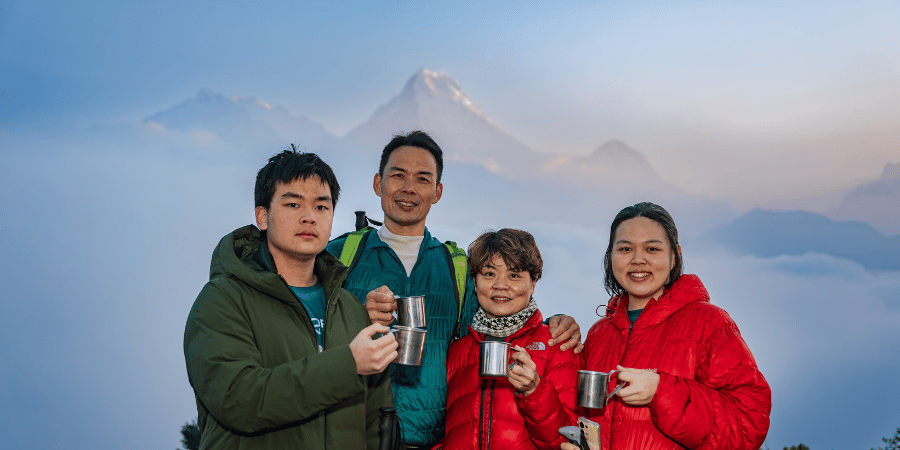
This is the most iconic moment of this trek. You can see golden rays fall over Annapurna and Dhaulagiri. Early morning, reaching Poon Hill and seeing the sunrise makes you feel warmer and allows you to capture the moment for a lifetime.
2. Diverse and Scenic Landscapes
Our entire trek starts from elevations of 820 meters (Pokhara) and 3210 meters (Poon Hill). The journey itself leads from terraced rice fields to subtropical dense forests and rhododendron forests. The trail sometimes goes from uphill to downhill and sometimes over plain terrain.
3. Cultural Immersion with Gurung and Magar Communities
You never forget the hospitality provided in the traditional village of Nepal by ethnic groups like the Magar and Gurung. You can taste their own food dishes, stay in their teahouses, talk with them and exchange the culture, immersing yourself with them in depth. Don't forget to celebrate their culture, like Losar, Tihar and Manghesankranti, with them.
4. Rich Biodiversity and Birdwatching
Everyone wishes to witness rich Himalayan biodiversity and birdwatching along the route of Poon Hill. It is home to the Himalayan Monal (Danphe), langurs, barking deer, and various forest birds. Yes, this trek is also ideal for nature lovers and photographers.
5. Teahouse Trekking Experience
You can get your bed and meals at special teahouses. These teahouses are made of stone and wood. The dining area is kept in a corner of the house, and you need to enter through a short wooden door. Cold air drifts in through the windows as you eat, whispering in the Himalayas. A Gurung dai (elder brother) might offer you more food, and you may even see a Himalayan dog nearby—perhaps you’ll want to share some with them too.
6. Panoramic Views of the Himalayas.
Without the Himalayas, can you imagine your trek? It will be different. Yes? This is only one trek that offers Himalayan panoramas without going above 3,210 m. There are no altitude sickness issues, making it safe and comfortable for most age groups. Enjoy your Himalaya trek.
Ghorepani Poon Hill Sunrise—What to Expect
Do you know that the most unforgettable highlight of the Ghorepani Poon Hill Trek is the sunrise from Poon Hill (3,210 meters)? We want to provide you with brief information on this topic so that you can make a decision in the right way.
Early Morning Ascent
We wake up early in the morning around 4:30 AM. You are now in Ghorepani. We take some tea and coffees; after that we begin the 45-minute uphill hike to reach Poon Hill. You will be carrying a headlamp in your hand and hiking with dozens of friendly people along the trail in the morning dark. Oh! It will be an unforgettable moment.
Best Mountain View
As you reach the top, you can enjoy the mountain view.
From Poon Hill, you can see:
- Dhaulagiri (8,167 m)—the 7th highest mountain in the world
- Annapurna I (8,091 m)—the 10th highest
- Machhapuchhre (6,993 m)—the sacred Fishtail Mountain
- Annapurna South (7,219m), Hiunchuli, Nilgiri, and many more
Photography and Reels
Poon Hill is a dream for photographers and Instagrammers alike. Enjoy making reels on Poon Hill and share them on your social media platform. You can capture yourself along with mountains in a photo and keep it for lifelong memories.
Spiritual emotion in Himalaya
We have organized many treks on this route. When trekkers reach Poon Hill and enjoy the sunrise, they often report it as a spiritual, peaceful, and awe-inspiring moment in the Himalayas. It’s a personal moment with the mountains, one that often becomes the emotional high point of their Nepal journey.
Ghorepani Poon Hill Trek Cost—Full Breakdown
Planning your budget for the Ghorepani Poon Hill Trek is easy when you know what to expect. The total cost usually covers several key parts:
- Permits and Fees: You’ll need the TIMS card and the Annapurna Conservation Area Permit (ACAP). Together, these cost around NPR 3,000 to 4,000 (about $25 to $35 USD).
- Accommodation: Along the trail, cozy teahouses offer simple rooms for about 300 to 1,500 NPR per night, depending on the village and season.
- Food: Meals like dal bhat, noodles, and soups cost between 500 and 800 NPR per meal. Dal bhat is usually the most affordable and filling option.
- Transportation: Airport transfers and bus or jeep rides to and from the trailhead can cost between $20 and $50 USD, depending on your choice.
- Miscellaneous: Don’t forget to budget for extras like hot showers, snacks, tips, and souvenirs.
By understanding these costs, you can plan your trip comfortably without surprises. This package provided by Destination Unlimited Trek includes all the costs, including accommodation, food, transportation, guide, permit and all.
Ghorepani Poon Hill Route Overview—Day-by-Day Guide
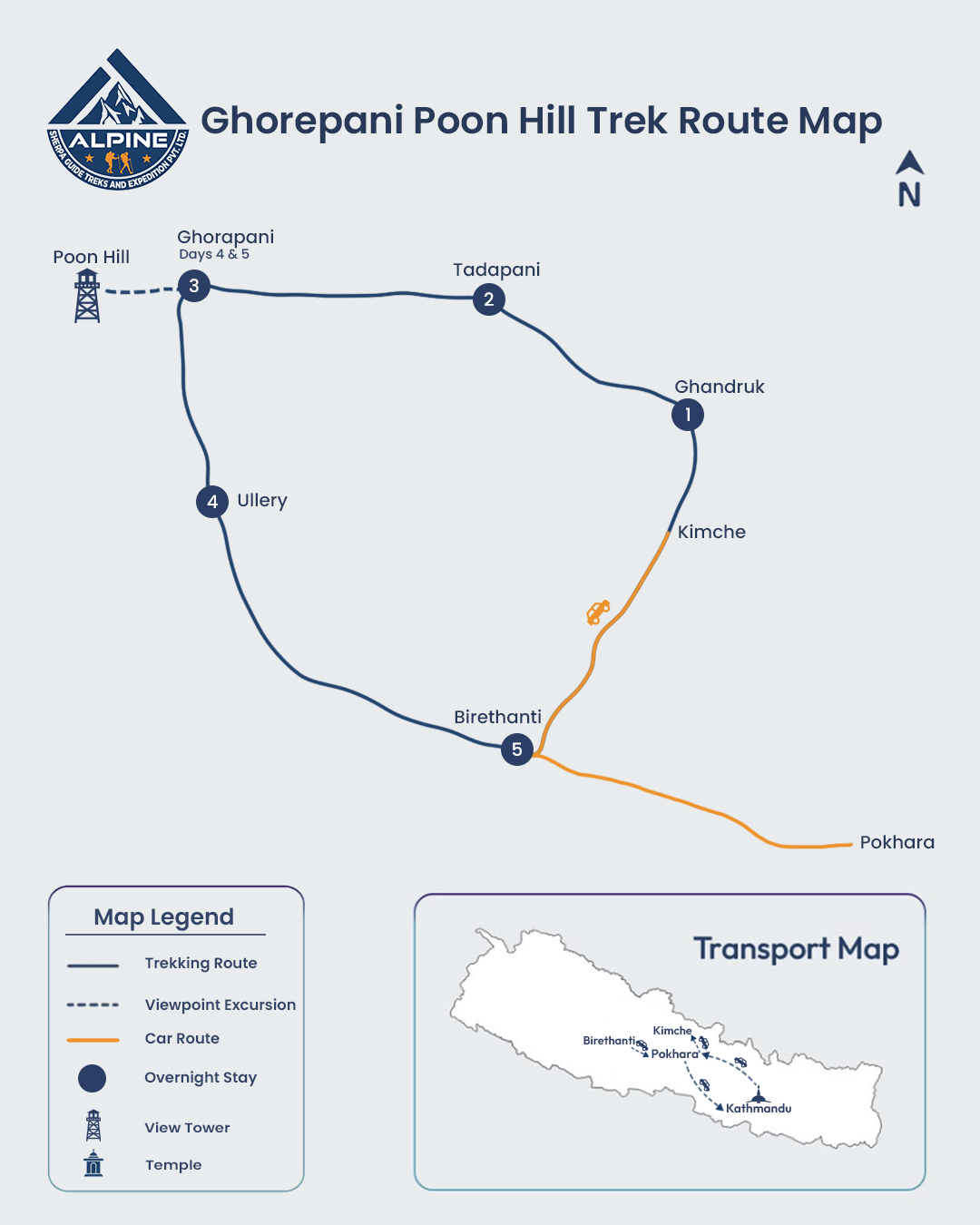
Our entire journey begins in Kathmandu when we take a drive to Pokhara, a city of lakes located at a distance of around 200 km. We drive through Naubise, Kurintar, Muglin, Dumre, Bandipur, and Damauli. The trail passes through hills, riversides, and forests. After 8–9 hours of driving, you will reach Pokhara.
The trek begins when we drive to Nayapul from Pokhara, after traveling 42 km by road in a private jeep or tourist vehicle. You may feel excited to begin the real adventure: the trek to Annapurna Sanctuary. Our entire team then starts trekking, passing through Birethanti, a small checkpoint village.
We walk along the Modi Khola River, crossing suspension bridges and rice terraces. You might become quieter and lost in thought as you go along the riverside. Along this segment, you will encounter some Magar and Gurung villages as well. We stay in Tikhedhunga overnight in a teahouse and enjoy our first teahouse experiences.
The next day, we start trekking again early in the morning. We continue to Ulleri via a steep 3,200-step stone staircase. Yes, it is tough but rewarding. You may experience some pain in your knees, but you will forget it when you listen to the Nepali folk song Sim sime pani ma… sung by our guide, Dai. Not joyful? If you are traveling in the spring season, the blooming rhododendron forest may provide you with immense joy along this route.
Our trek passes through small settlements like Banthanti and Nangge Thanti. After that, the trail gradually ascends with stunning views of Annapurna South and Hiunchuli. Arriving at Ghorepani, we stay overnight here. You will be accommodated in teahouses and offered Himalayan dishes.
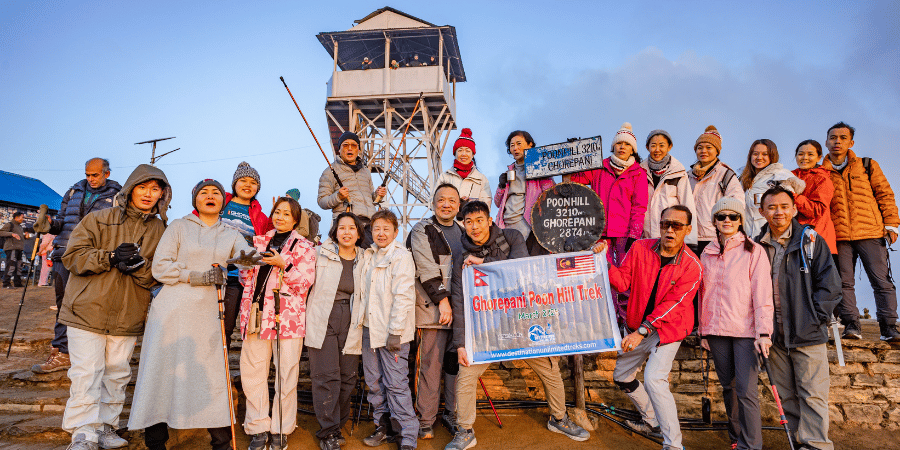
The next day, early in the morning at 4:30, we start trekking to Poon Hill from Ghorepani. It takes about 45 minutes. You will reach Poon Hill to see the sunrise. Enjoy your first sunrise view at Poon Hill. You can capture photos, make some reels, and create lifelong memories. After spending some time here at Poon Hill, we return to Ghorepani for breakfast, then trek to Tadapani. Who knows? The journey passes through Deurali Pass (3,090 m) and beautiful woodlands, often spotting langurs or Himalayan birds.
At this time, we are returning to Pokhara/Kathmandu through Ghandruk. Arriving at Ghandruk (1,940 m), a traditional Gurung village with museums, stone-roofed houses, and views of Machhapuchhre and Annapurna South, you can add more enjoyment. Dear Trekker, now you are at the end of your trekking and will reach Pokhara from Kimche or Syauli Bazaar by jeep.
Do you want to trek with us and make memories that refresh you throughout life? Please call us.
Difficulty and Physical Fitness Required
The Ghorepani Poon Hill Trek is moderately challenging yet beginner-friendly. Anyone with average fitness can complete it comfortably. Each day involves 5-7 hours of walking, including some steep sections—particularly the ascent to Ulleri.
You don’t need trekking experience, but some cardio and leg exercises before the trip will help. The trail reaches over 3,000 meters, so acclimatization is important—go slow, drink water, and rest when needed.
Permits Required for the Ghorepani Poon Hill Trek
To trek in the Annapurna region, you’ll need two permits: the TIMS card and the Annapurna Conservation Area Permit (ACAP). The TIMS card (approx. NPR 2,000) ensures your safety, while the ACAP permit (around NPR 3,000) supports local conservation.
You can get both permits in Kathmandu or Pokhara, and most trekking agencies handle the process for you. Be sure to carry them during your trek, as checkpoints are common.
Having these permits keeps your trek legal and helps preserve Nepal’s natural beauty.
What is the best season to trek Ghorepani Poon Hill?
To experience the Ghorepani Poon Hill trek to the fullest, timing is everything. The best seasons to trek Ghorepani Poon Hill are autumn (September to November) and spring (March to May). These months offer stable weather, clear skies and open mountain views. You can enjoy walking through oak forests to lush rhododendron forests during the right season only. The following information provides you with the pros and cons of the four seasons for trekking Ghorepani Poon Hill.
Autumn (September to November)—Clear Skies & Festive Vibes
Autumn is the most popular season for trekking in Nepal—and for good reason.
Why Trek in Autumn?
- Stable weather with crisp, clear skies
- It's easy to see sunrise and sunset views from Poon Hill
- moderate temperature: warm day and cool at night
- A festive atmosphere enjoys Dashain and Tihar as great festivals of Nepal.
What to Consider:
- Trails can be crowded, especially in October
- Accommodation may need to be booked in advance
Spring (March to May) – Rhododendrons & Lush Landscapes
Spring is another fantastic time to trek, especially if you love colorful flowers and bright trails.
Why Trek in Spring?
- Blooming rhododendron forests making trail more colorful
- Pleasant daytime temperatures
- Great mountain views before the monsoon season sets in
What to Consider:
- Hazy skies may appear in late spring (especially May)
- Chance of light rain toward the end of the season
Winter (December to February)—Quiet Trails, But Cold
This is the winter season, and you are trekking in the Himalayan zone. It may not be comfortable for those with some health issues, though you can enjoy it as a solitude trekker.
- Peaceful trails with fewer trekkers
- Clear views on crisp winter days
- Freezing temperatures, especially at night
- Snowfall can make higher sections icy or difficult
Monsoon (June to August)—Lush, But Risky
Monsoon is the least recommended season due to heavy rainfall.
Challenges:
- Slippery trails and muddy paths
- Obstructed mountain views due to thick clouds
- Leeches in forested areas
- Landslides and travel delays
For the perfect combination of good weather, fewer crowds, and stunning scenery, aim for:
- Late September to early November
- March to early May
These windows offer the most rewarding trekking experience on the Ghorepani Poon Hill trail—whether you're chasing sunrise at 3,210 meters or walking through blooming rhododendron forests.
Related & Alternate Treks Near Ghorepani Poon Hill
Explore other exciting treks in the Annapurna region that offer unique experiences, scenic landscapes, and cultural encounters. These alternate treks are perfect options if you want to extend your adventure or try a different route.
Dhampus Sarangkot Trek – 8 Days
Looking for a short trek with big rewards? The Dhampus Sarangkot Trek gives you 8 days of cultural discovery and Himalayan beauty. Walk through lush forests, meet warm local communities, and witness the world-famous sunrise from Sarangkot, with views of Annapurna, Machhapuchhre, and Phewa Lake below.
Annapurna Base Camp Short Trek - 10 Days
The 10-day Annapurna Base Camp Short Trek takes you from Kathmandu to ABC (4,130 m) and back, offering a scenic, culturally immersive, and adventure-filled Himalayan journey. Along the way, enjoy close-up views of Annapurna South, Machhapuchhre, Gangapurna, Hiunchuli, Annapurna II, and Annapurna III, while experiencing the warm hospitality and traditions of Gurung, Magar, and Lama communities.
Accommodation and Food During the Trek
During the Ghorepani Poon Hill trek, accommodation is typically provided in teahouses . These are small, family-run lodges offering basic facilities.
In teahouses, meals are simple, tasty, and designed to keep you energized. The common food is dal bhat (rice with lentil soup). In Ghorepani, you can eat homemade apple pie, while in Ghandruk, traditional Gurung bread is available as a unique dish.
Ghorepani Poon Hill Trek: Accommodation & Food Guide:
Tikhedhunga (1,570 m)
- Accommodation Options:
– Sunny Hotel & Lodge
– Tikhedhunga Guest House - Room Price: NPR 300–500
- Food Highlights:
– Dal Bhat
– Noodles
– Momos - Meal Price: NPR 500–700
Ulleri (2,050 m)
- Accommodation Options:
– Ulleri Boutique Hotel
– Hotel Himalayan View - Room Price: NPR 500–800
- Food Highlights:
– Garlic Soup
– Pancakes
– Dal Bhat - Meal Price: NPR 600–800
Ghorepani (2,874 m)
- Accommodation Options:
– Hotel Snow View
– Super View Lodge - Room Price: NPR 800–1,500
- Food Highlights:
– Thukpa
– Apple Pie
– Porridge - Meal Price: NPR 500–700
Poon Hill (3,210 m)
- Accommodation: No lodging available at the top
- Food:
– Tea and Coffee available at small stalls - Drink Price: NPR 100–200
Tadapani (2,630 m)
- Accommodation Options:
– Tadapani Guest House
– Hotel Panorama Point - Room Price: NPR 600–1,000
- Food Highlights:
– Mushroom Curry
– Tibetan Bread - Meal Price: NPR 500–700
Ghandruk (1,940 m)
- Accommodation Options:
– Himalayan Lodge
– Gurung Cottage - Room Price: NPR 1,000–2,000
- Food Highlights:
– Gurung Bread
– Chicken Curry - Meal Price: NPR 700–900
Ghorepani Poon Hill Trek for Families and Beginners
The Ghorepani Poon Hill Trek is perfect for families and beginners. Nepal is a very safe place to travel. The trails are well-marked, and the trekking hours per day for this package are relatively shorter. There are plenty of comfortable stops along the way.
On this route, you don't need to have previous trekking experience, though it is an advantage. You will stay in family-like guesthouses/teahouses with a local guide and porter to help and a company to take care of everything.
Yes, it is safe and enjoyable.
Ghorepani Poon Hill Trek vs. Other Short Treks in Annapurna
The Ghorepani Poon Hill Trek is one of the most popular short treks in the Annapurna region—perfect for stunning sunrise views, easy access, and moderate difficulty. It’s ideal if you’re short on time but still want panoramic views of Annapurna and Dhaulagiri.
Compared to the Mardi Himal Trek, which is a bit quieter and slightly more challenging, Poon Hill is more family-friendly and well-developed. The Ghandruk Trek is even shorter and easier, great for cultural experiences but offers fewer mountain views. If you want a bit more adventure, the Khopra Danda Trek is a great off-the-beaten-path alternative with higher altitude and fewer crowds.
In short, Poon Hill is best for first-timers, families, and anyone looking for a scenic, comfortable Himalayan experience in under a week.
Trip Essentials And Trip Information
- Currency Exchange: Nepal uses the Nepali rupee (NPR). $1 USD is about 135 NPR. You can exchange money easily at banks or authorized counters in Kathmandu or Pokhara.
- Travel Insurance: This trek reaches an elevation of 3210 meters (Poon Hill). Travel insurance is recommended for your safety. Ensure your policy covers both medical care and emergency helicopter evacuation up to 4,000 meters. While prices vary, you can expect to pay between $30 and $150 USD—contact your insurer for exact rates.
- Extra Costs: Bring extra cash for snacks, drinks, shopping, and tipping your guide or porter. These personal expenses are not usually included in your trek package.
How To Book This Trek
You can easily and securely book the Ghorepani Poon Hill Trek with Destination Unlimited Treks. We accept online payments via card as well as direct bank transfers.
We require a 20% advance payment to secure your booking. The remaining balance can be paid upon arrival in Nepal. Once your payment is confirmed, you will receive a notification along with an invoice.
Booking in advance helps us secure your permits, accommodations, guide, and transportation smoothly—especially during peak trekking season.
Have questions? We’re here to help make your trekking experience stress-free and unforgettable.